Ghost in the Glass: The Hidden Chemistry and Destruction of Hard Water Etching
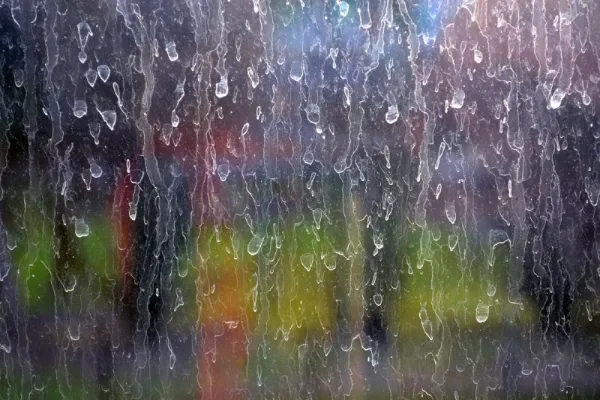
There is a slow, quiet threat creeping across the windows of properties throughout our region. It does not look dangerous at first. It begins as a faint white haze or a few powdery spots that appear after the lawn sprinklers run or following a heavy seasonal storm. You assume a quick spray of window cleaner and a paper towel will wipe it away. But when you wipe down the window, the spots remain. Even worse, when the glass dries, those chalky white outlines seem to glow even brighter in the afternoon sun.
What you are looking at is not just a surface layer of dirt or dried mud. It is a structural transformation of the glass itself. This condition is known as hard water etching, and it represents a chemical bond that has permanently altered your window surfaces.
Windows are often the structural centerpiece of premium architecture, framing mountain views and pouring natural light into living spaces. Allowing mineral deposits to sit unchecked does not just hurt your property’s curb appeal; it actively corrodes the glass substrate, leading to costly replacement bills.
Understanding the science behind this degradation, identifying the root causes, and implementing professional extraction methods can save your windows from premature failure.

The Molecular Battlefield: How Water Transitions to Corrosion
To protect your windows, it helps to understand that glass is not the perfectly smooth, solid barrier it appears to be. Under a microscope, the surface of architectural glass reveals an imperfect landscape filled with microscopic peaks, valleys, valleys, and pores. When water containing a high concentration of dissolved minerals comes into contact with these pores, a destructive process begins.
Our regional water supply carries a heavy load of dissolved minerals, particularly calcium carbonate and magnesium. When water droplets sit on a window pane and evaporate under the heat of the sun, the pure water disappears into the air, leaving behind the heavy mineral ions. This initial phase creates a superficial crust known as a hard water stain.
The true danger arises when those minerals are left exposed to heat and environmental humidity over time. The highly alkaline calcium and magnesium deposits begin a chemical reaction with the silicates inside the glass. The minerals physically eat away at the smooth surface, creating tiny microscopic pits and micro-fissures. This deep, structural pitting is the exact definition of hard water etching. At this stage, the glass is no longer just dirty; its physical structure has been altered, leaving a permanently cloudy texture that light cannot cleanly pass through.
Damage Levels: Surface Stain vs. Deep Chemical Etching
Property owners frequently confuse standard hard water spotting with true structural etching. This misunderstanding can lead to incorrect cleaning attempts that cause even more scratch damage to the pane.
Review this structural matrix to identify the exact stage of your window degradation and the corresponding intervention required:
| Damage Stage | Visual Presentation | Physical Surface Texture | Required Restoration Action |
| Stage 1: Mineral Crust | Opaque white circles with distinct, raised boundaries | Rough, chalky, or gritty to the touch | Topical acid neutralization and professional hand washing |
| Stage 2: Active Corrosion | Cloudy, iridescent sheen that distorts daylight | Pitted texture that catches a fingernail | Abrasive glass polishing pastes and mechanical restoration |
| Stage 3: Advanced Etching | Permanent frosted appearance across the pane | Deeply porous, dry feel with visible white hazing | Specialized glass resurfacing or total window replacement |
The Primary Culprits Behind Glass Degradation
Etching rarely occurs without an underlying environmental trigger. In our commercial and residential facilities, the most common catalyst is poorly aimed irrigation systems. When automated lawn sprinklers constantly overspray against a building’s facade, they coat the glass in highly concentrated mineral water several times a week.
Another frequent cause is architectural runoff from building materials. When rain falls on precast concrete, brick mortar, or aluminum window screens, it leaches alkaline minerals and chemicals from those surfaces. As that contaminated water washes down over the lower windows and dries, it accelerates hard water etching at an alarming rate.
According to technical glass maintenance studies published by the National Glass Association (NGA), allowing alkaline mineral runoff to remain on glass for extended periods causes irreversible molecular damage, altering the optical clarity of the material permanently.

Why Standard DIY Methods Fail to Fix Etched Windows
When faced with stubborn glass hazing, the average property manager or homeowner reaches for standard household vinegar, dish soap, or commercial blue spray cleaners. While mild acids like vinegar can dissolve early Stage 1 surface minerals, they are completely powerless against deep hard water etching. Once the glass surface is physically pitted, no spray or liquid cleaner can fill in those microscopic holes to restore clarity.
In fact, frantic DIY attempts often make the damage significantly worse. Homeowners frequently resort to abrasive scrubbing pads, steel wool, or razor blades in a desperate bid to scrape away the cloudiness. Because glass is a delicate material, these aggressive mechanical actions create thousands of fine scratches across the pane, compounding the mineral cloudiness with permanent scratch haze.
Restoring etched glass requires a precise balance of chemical neutralization and controlled mechanical polishing. Professional technicians utilize specialized cerium oxide polishing compounds alongside variable-speed rotary machines. This process gently shaves away the damaged, microscopic top layer of the glass, smoothing out the micro-pits without distorting the view or weakening the structural integrity of the window pane.
Long-Term Defense: Stopping Mineral Bonding Before It Begins
The ultimate strategy for dealing with window corrosion is prevention. Once your windows have been professionally cleaned or restored, the raw glass pores must be sealed against future mineral adhesion.
Applying an industrial-grade hydrophobic glass coating creates an ultra-smooth, invisible barrier that repels water molecules. Instead of flattening out and drying on the glass, water beads up and rolls off instantly, taking the dissolved minerals with it.
Additionally, altering your property’s landscaping footprint by redirecting sprinkler heads away from your siding and scheduling regular professional cleanings will stop mineral accumulation from transitioning into permanent hard water etching.

Restore and Protect Your View with Metropolis Window Cleaning
You do not have to live with dull, cloudy windows that block your natural light and diminish your property’s value. Saving your glass requires specialized knowledge, industrial equipment, and a precise touch.
At Metropolis Window Cleaning, we specialize in advanced glass restoration and property preservation throughout the Northern Colorado Front Range. Serving communities from Loveland and Fort Collins down to Longmont and surrounding areas, our fully insured, safety-trained technicians understand the unique environmental challenges your property faces. We do not just wash away surface dirt; we utilize advanced pure water technology, specialized acid-neutralizing systems, and precision mechanical polishing to eliminate stubborn mineral buildup and reverse early stage hard water etching.
Let our team protect your architectural investment and restore the crystal-clear clarity your building deserves.
Ready to bring the sparkle back to your home or commercial facility? Contact our local office today by calling (970) 391-2223 or visit metropolis-window-cleaning.websitepro-staging.com to request your free, comprehensive property estimate!