Hard Water Stain Removal Windows: The Ultimate Restoration Guide
Few maintenance challenges disrupt the beauty of a home or commercial facility faster than cloudy, spotted exterior glass. What starts as light water droplets after an irrigation cycle rapidly transforms into stubborn, chalky haze that resists standard glass cleaners. Understanding the mechanics of hard water stain removal windows is key to stopping temporary mineral deposits from turning into permanent structural etching.
Whether you manage a commercial facility or want to revive your residential property’s curb appeal, this guide breaks down the science behind glass mineral bonding, safe DIY removal methods, when to call professionals, and proven strategies to keep your windows spotless year-round.
Direct Answer: What Causes Hard Water Stains on Windows and How Are They Removed?
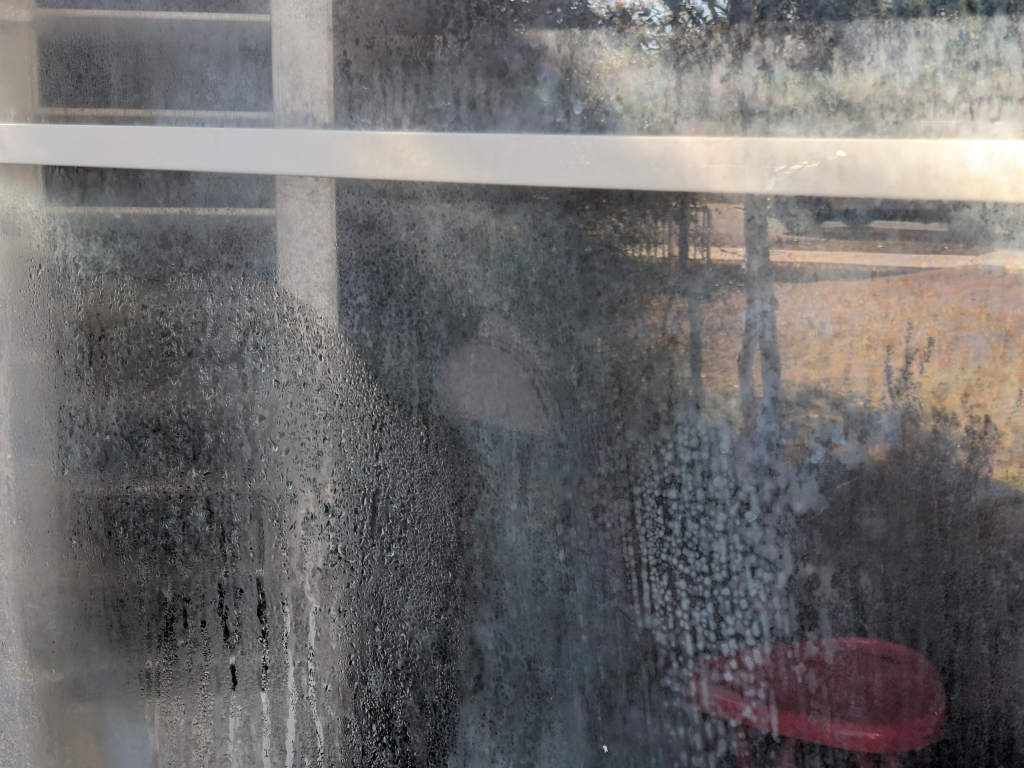
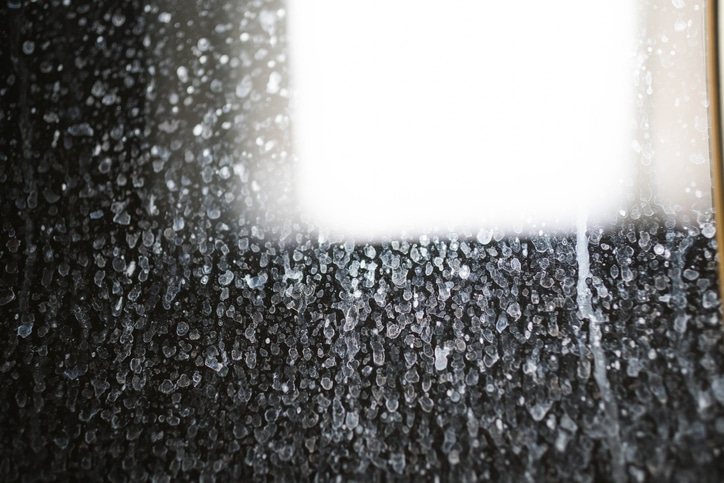
Hard water stains occur when water containing dissolved minerals primarily calcium, magnesium, and silica evaporates off a glass surface, leaving mineral salts behind. Because glass is naturally porous at a microscopic level, these minerals settle into the pores and bond with the surface over time.
Effective hard water stain removal windows requires breaking down these mineral bonds using either mild acid dissolution (for calcium carbonate) or mechanical abrasion polishing (for silica and bonded scale).
The Chemistry Behind Hard Water and Glass Corrosion
To understand why standard glass cleaners fail against mineral spots, you must look at water chemistry. According to water quality benchmarks published by the U.S. Geological Survey (USGS), water containing more than 120 milligrams per liter (mg/L) of dissolved calcium carbonate is classified as hard, while levels above 180 mg/L are considered very hard.
When hard water hits exterior glass whether from sprinkler overspray, building runoff, or mineral-heavy rain the liquid evaporates quickly under direct sunlight. The water vapor disappears, but the heavy minerals remain behind.
The Three Tiers of Glass Damage
- Stage 1 (Surface Deposits): Fresh mineral dust sits loosely on top of the glass pane. It wipes away easily with a mild solution.
- Stage 2 (Bonded Scale): The deposits solidify and begin reacting with the silica matrix of the glass, creating a cloudy texture that cannot be cleaned with ordinary soap.
- Stage 3 (Chemical Etching): Long-term UV exposure and heat fuse the minerals into the glass structure. At this stage, the glass is physically damaged rather than merely dirty.
Common Causes of Window Mineral Buildup
Preventing future damage starts with identifying where the mineral-rich water originates. In most properties, three primary culprits drive staining:
- Irrigation Overspray: Lawn sprinklers hitting lower-level windows on daily watering cycles are responsible for over 80% of residential hard water stains.
- Building Envelope Runoff: Rainwater washing over concrete caps, masonry, or stucco leaches free lime and calcium onto glass facades.
- Screen Corrosion (“Screen Burn”): Uncleaned aluminum window screens oxidize over time; rain pushes those metallic oxide particles onto the glass pane where they bake in the sun.
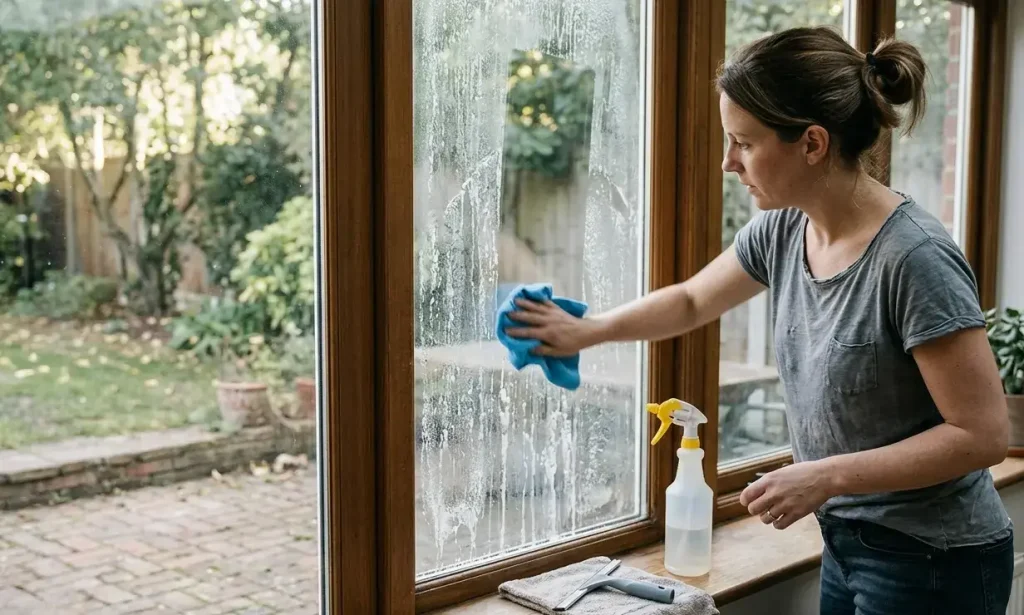
Step-by-Step DIY Hard Water Stain Removal for Windows (Stage 1 & Mild Stage 2)
If your mineral spots are under two months old and haven’t deeply etched into the glass matrix, you can safely address them using home remedies.
Required Tools & Materials
- Distilled white vinegar or citric acid powder
- Distilled water (never tap water)
- Non-abrasive microfiber towels
- Synthetic white scrub pad (light duty)
- Professional rubber squeegee
Step 1: Prepare the Acidic Dissolving Solution
Mix equal parts distilled white vinegar and distilled water in a spray bottle. The natural acetic acid in white vinegar (pH ~2.5) protonates carbonate ions, breaking down fresh calcium carbonate deposits.
Step 2: Apply and Allow Dwell Time
Spray the solution generously onto the affected glass out of direct sunlight. Allow the mixture to dwell for 3 to 5 minutes so the acid can penetrate the mineral matrix. Never allow the solution to dry on the pane.
Step 3: Gentle Agitation
Work the area in circular motions using a light-duty white nylon scrub pad. Avoid steel wool or abrasive green scouring pads, as hard metal fibers will leave permanent micro-scratches on glass.
Step 4: Rinse and Dry
Rinse thoroughly with purified water and pull the glass dry using a clean rubber squeegee. Inspect the surface from multiple angles to ensure clarity.
When Professional Glass Restoration Is Required
When mineral scale reaches Stage 2 or Stage 3, household vinegar and light scrubbing will no longer yield results. Executing severe hard water stain removal windows procedures requires specialized chemical compounds, high-speed rotary polishers, and cerium oxide abrasives.
At Metropolis Window Cleaning, our trained technicians evaluate the stage of etching to select the exact balance of chemical dissolution and mechanical glass polishing. Professional restoration removes embedded silica deposits while restoring original transparency without burning or distorting the glass.
How to Prevent Hard Water Stains From Returning
Restoring crystal-clear glass is only half the battle; stopping future mineral accumulation protects your financial investment.
1. Adjust Irrigation Zones
Walk your grounds while sprinklers are running. Rotate spray heads away from the foundation or convert flowerbed heads to low-pressure drip lines to eliminate overspray.
2. Water Before Sunrise
Schedule irrigation systems for early morning hours. Cooler ambient temperatures slow down evaporation rates, giving water drops time to drain before sun exposure bakes minerals onto the glass.
3. Apply Hydrophobic Glass Coatings
Applying a commercial silica-based protective sealant creates an invisible hydrophobic barrier. Water beads up and rolls off rather than clinging to porous glass, dramatically reducing deposit formation.
4. Schedule Pure Water Window Maintenance
Regular maintenance using multi-stage reverse osmosis and deionization (RO/DI) pure water systems ensures that exterior windows dry completely spot-free every single time.