The Complete Guide to Professional Window Glass Restoration
Windows are a defining feature of any architectural structure, providing natural light, insulation, and a clear view of the outside world. However, glass is not completely impervious to the environment. Over time, constant exposure to wind, rain, mineral-heavy water, atmospheric pollution, and structural shifting can take a heavy toll. What once was a crystal-clear pane can quickly become cloudy, heavily stained, or marred by micro-scratches.
When your building’s exterior surfaces begin to lose their luster, property owners face a critical choice: commit to an expensive complete replacement or opt for professional window glass restoration.
Many people mistakenly believe that once glass becomes severely clouded or scratched, it is permanently ruined. Fortunately, specialized surface restoration can reverse years of deep environmental degradation. By utilizing advanced chemical compounds, precise mechanical polishing, and modern protective coatings, technicians can restore structural integrity and optical clarity to damaged panes for a fraction of the cost of new glass installation.
This comprehensive guide will break down the underlying science of glass degradation, explore when restoration is viable, and outline the exact steps required to revive your property’s view.

The Core Science: Why Glass Degrades Over Time
To understand how window glass restoration works, it is important to understand what glass is on a microscopic level. While glass feels completely smooth and solid to the touch, it is actually a highly porous, amorphous solid made primarily of silica sand, soda ash, and limestone. Because its surface is covered in microscopic peaks and valleys, it acts like a structural net that catches microscopic debris, minerals, and chemical pollutants over time.
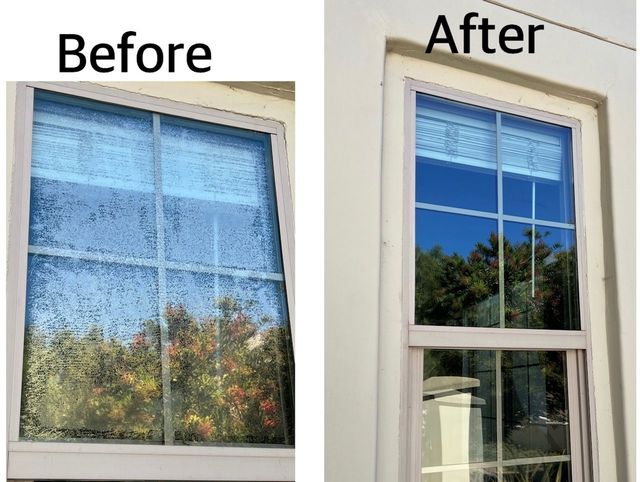
The most common culprit behind cloudy windows is stage-two hard water staining, also known as mineral etching. When water from irrigation sprinklers, building runoff, or acid rain sits on a window, it evaporates and leaves behind dense concentrations of calcium and magnesium.
Under direct sunlight, these alkaline minerals undergo a chemical reaction with the silica in the glass. Instead of sitting harmlessly on top of the surface, the minerals physically bond with the glass matrix and begin eating into it. This creates a rough, hazy surface that regular window cleaning sprays and squeegees cannot remove.
Quick Reference: Glass Restoration vs. Replacement
Choosing the correct path for your property depends entirely on the type and depth of the surface damage. Review this structural comparison matrix to evaluate the best solution for your current glass conditions:
| Damage Type | Underlying Cause | Can it Be Restored? | Recommended Action |
| Stage 1 Staining | Light mineral deposits, fresh rain spots. | Yes (100%) | Basic chemical decontamination wash. |
| Stage 2 Etching | Deeply bonded calcium/magnesium from irrigation. | Yes | Mechanical window glass restoration / polishing. |
| Surface Scratches | Abrasive construction cleanup, windblown sand. | Yes | Controlled rotary glass sanding and cerium oxide buffing. |
| Deep Gouges | Deep structural scratches catching a fingernail. | Rarely | Glass leveling may cause visual distortion; replacement preferred. |
| Failed Insulated Seal | Broken perimeter seal on double-pane (IUG) windows. | No | Complete replacement of the glass unit due to internal moisture. |
Step-by-Step Process: Executing a Flawless Restoration
Safely reversing years of severe mineral scaling and micro-scratches requires a precise, multi-stage mechanical and chemical approach. Attempting to force these defects out without proper lubrication or tool speeds will generate excessive heat, which can easily warp or crack the glass pane.
The Glass Restoration Sequence
1.Deep Chemical Decontamination and Wash:10-15 min.
The glass must be completely freed of loose grit, dirt, and dust before mechanical work begins. Clean the pane using a premium glass cleaner and a microfiber wash pad. Next, apply a specialized mild acid-based gel to dissolve the top layers of loose calcium and magnesium deposits, rinsing the surface thoroughly with clean water.
2.Isolate and Mark Surface Defects:Technician evaluation.
Dry the window completely and inspect it under focused LED lighting. Use a dry-erase marker on the opposite side of the glass to map out the specific boundaries of deep scratches, heavy etching zones, or stubborn mineral clouds. This ensures the technician maintains uniform focus across problem areas.
3.Controlled Rotary Micro-Abrasive Sanding:For deep scratches only.
If the pane has distinct surface scratches, use a specialized low-speed rotary polisher equipped with a fine-grit silicon carbide abrasive disc. Work carefully across the marked zones in overlapping patterns, applying a continuous mist of water to keep the glass temperature low. This process gently levels the glass to the depth of the scratch.
4.Polishing with Cerium Oxide Compound:5-10 min per section.
Switch to a premium felt polishing pad and apply a high-grade cerium oxide slurry directly to the pane. Cerium oxide interacts chemically with the silica molecules, smoothing out microscopic imperfections and restoring absolute optical clarity. Buff the section until the haze completely disappears.
5.Apply an Oleophobic Protective Coating:Final protection layer.
Thoroughly clean away all slurry residue and dry the window. Because the restoration process re-exposes the raw, porous structure of the silica, you must apply a professional-grade hydrophobic or oleophobic glass sealant. This invisible barrier fills the microscopic pores, preventing future mineral bonding and making maintenance washes incredibly easy.
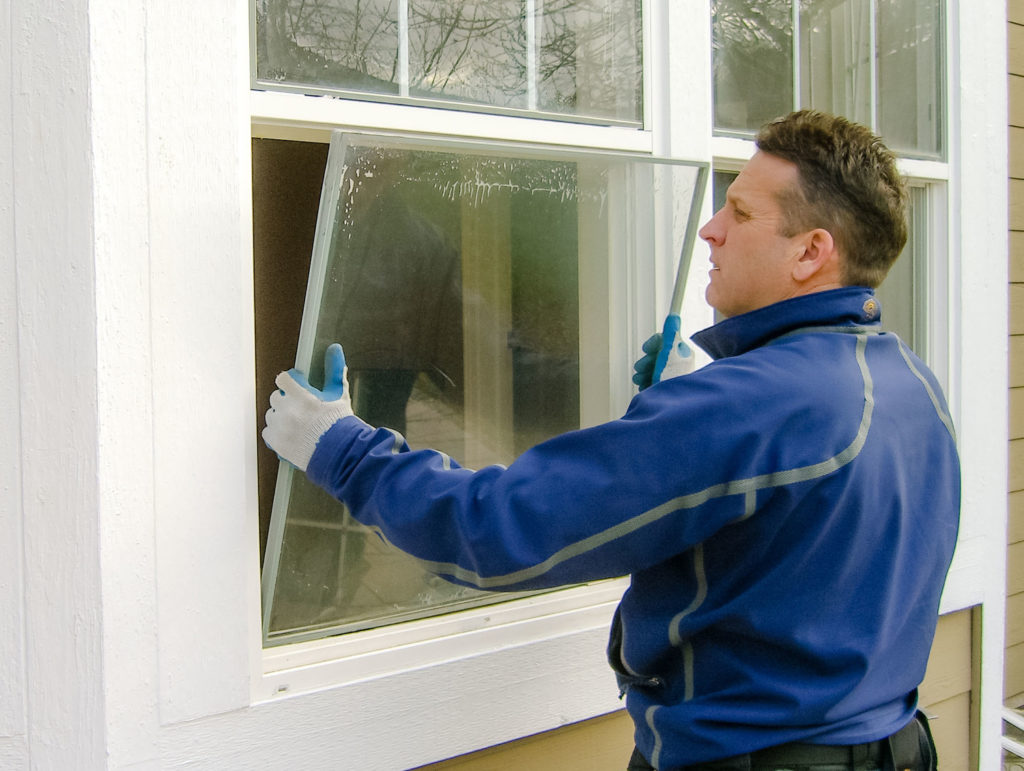
Preventing Damage: Post-Restoration Care
Once your windows are restored to their original clarity, protecting that investment requires adjusting your building maintenance routine. The single most common cause of re-staining is improper irrigation placement. Ensure that commercial sprinklers or residential lawn systems are angled away from the structure so that mineral-heavy groundwater never sprays directly onto your newly polished panes.
Furthermore, avoid using cheap, highly alkaline household detergents or abrasive scouring pads for routine weekend cleaning. These harsh tools can inflict fine micro-scratches that accelerate the accumulation of dirt and environmental oils. Stick to pH-neutral, professional-grade cleaning soaps and clean microfiber towels to ensure your glass remains pristine for years to come.
According to technical architectural data published by the National Glass Association (NGA), regular glass inspections and timely surface decontamination can extend the overall lifespan of commercial and residential building envelopes by decades, significantly reducing long-term capital replacement costs.